What you lift and which machine
Sofa, wardrobe, fridge to a balcony
Weight: 50–200 kg
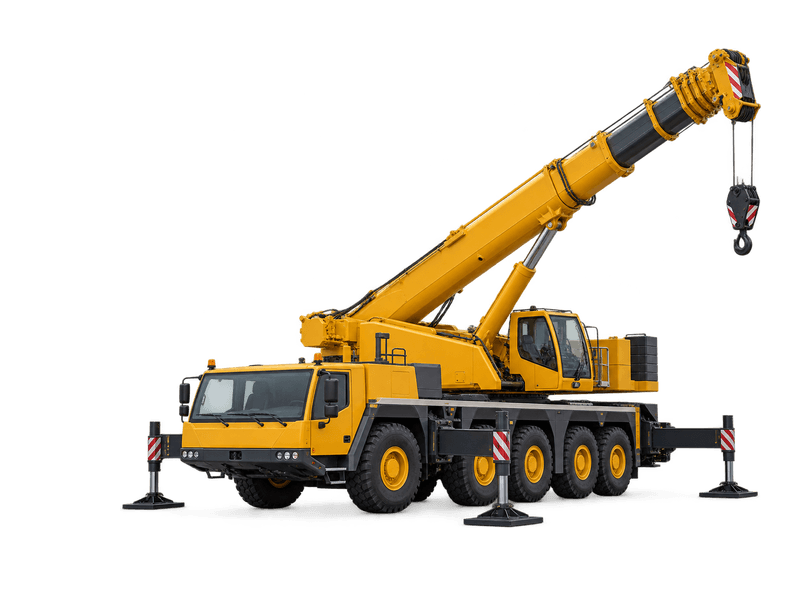
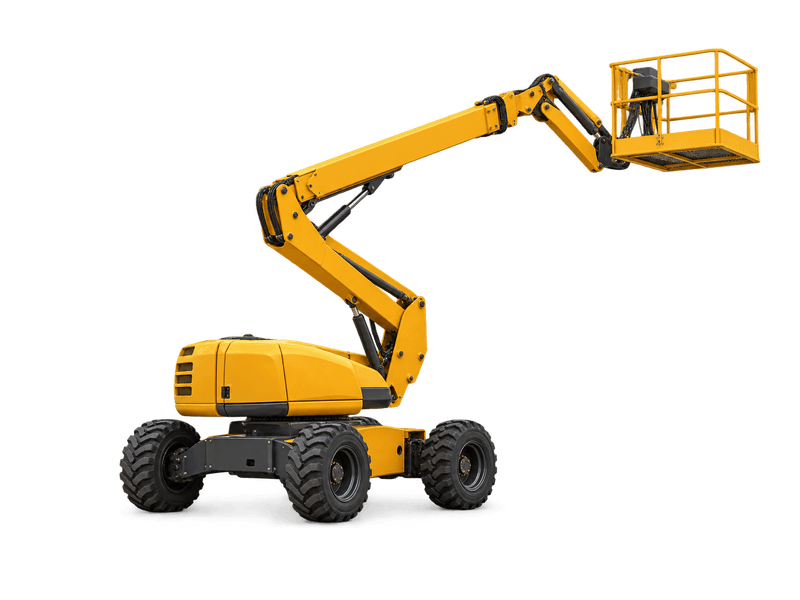
Machine: A small crane or a cherry picker with a hook; a furniture hoist where the facade allows
Outdoor air-conditioning unit onto a roof
Weight: 60–150 kg
Machine: Cherry picker with a hook up to 4 floors; a 25 t crane above that
Hot tub onto a terrace or a roof
Weight: 300–600 kg empty
Machine: 25–30 t crane; up to 15 m out from the street
Pallets of solar panels and inverters
Weight: 600–800 kg a pallet
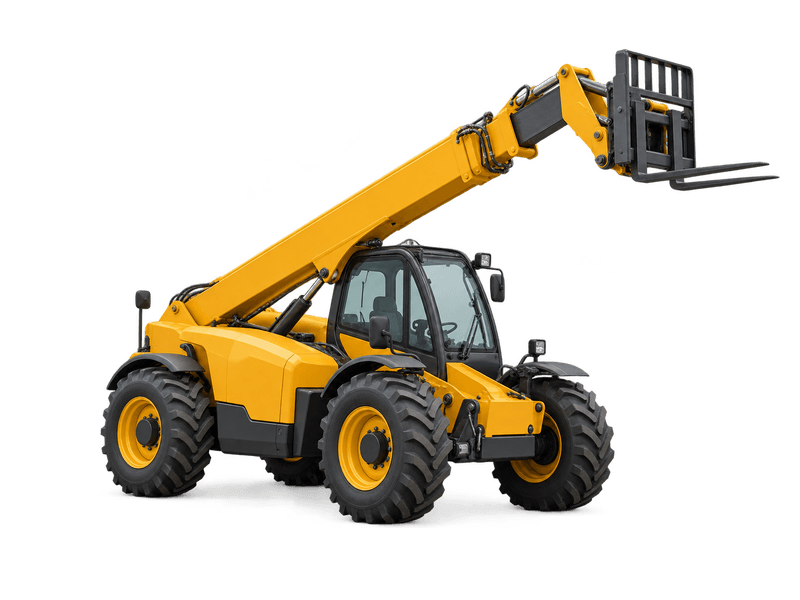
Machine: Telehandler to 3 floors; crane above that or over a pitched roof
Pool shell into the garden over the house
Weight: 2–4 t
Machine: 50–80 t crane; 20–30 m out
Container, site cabin, garden room
Weight: 2–5 t
Machine: 30–50 t crane next to the lorry; bigger when it goes over the house
Steel beam, roof trusses, a staircase
Weight: 0.5–3 t
Machine: 25–50 t crane with the operator rigging it
| The lift | Weight | Machine |
|---|---|---|
| Sofa, wardrobe, fridge to a balcony | 50–200 kg | A small crane or a cherry picker with a hook; a furniture hoist where the facade allows |
| Outdoor air-conditioning unit onto a roof | 60–150 kg | Cherry picker with a hook up to 4 floors; a 25 t crane above that |
| Hot tub onto a terrace or a roof | 300–600 kg empty | 25–30 t crane; up to 15 m out from the street |
| Pallets of solar panels and inverters | 600–800 kg a pallet | Telehandler to 3 floors; crane above that or over a pitched roof |
| Pool shell into the garden over the house | 2–4 t | 50–80 t crane; 20–30 m out |
| Container, site cabin, garden room | 2–5 t | 30–50 t crane next to the lorry; bigger when it goes over the house |
| Steel beam, roof trusses, a staircase | 0.5–3 t | 25–50 t crane with the operator rigging it |
What the operator needs to know
- The weight — from the manufacturer's sheet, the delivery note, or your best estimate. A hot tub's label gives the dry weight; that is the number.
- Where it lands: which floor or terrace, and how far that is from where the crane can stand. Measure from the kerb to the spot — that distance, the radius, decides the crane more than the weight does.
- Where the crane stands: on your own drive, in the street, in a neighbour's plot. Firm and level, about 3 m wide, no low cables. A photo from the street towards the house answers most of it.
- Whether the load has lifting points. A hot tub or a pool shell comes with slings and a spreader bar from the operator; say so in the form and they bring them.
The street question
A crane standing on a public road or pavement needs a permit from the municipality first — about 20 working days in Limassol with a traffic plan and insurance, a few days on side streets in Nicosia, a couple of weeks elsewhere. On your own drive or plot no permit is needed, and most home lifts happen there.
When the only place for the crane is the street, the operator applies for the permit and the day is set by it. Plan the hot tub's delivery around that, not the other way round — a hot tub waiting three weeks in the garden is fine, a crane booked for a day the municipality has not approved is not.
How the morning goes
The crane arrives, sets its outriggers on pads or steel plates, and the operator checks the weight and the radius against the chart. The load is slung, lifted slowly over the obstacle, and set down where you showed them; two people guide it on the terrace with ropes. A hot tub or an air-con unit is an hour of lifting inside a half-day booking with travel and set-up; a pool shell is a morning. Then the crane folds and leaves, and the plumber or the electrician takes over.
What it typically costs
- 25–50 t with operator
- €110–160 an hour, minimum 4 hours; about €600–900 a day
- 80–130 t with operator
- €200–320 an hour, minimum 4 hours
- 200 t and more
- quoted per lift, after a site visit
- Road permit, when the crane stands on the street
- municipal fee and insurance on top; the operator arranges it
What operators on the island usually quote (open listings and price lists, October 2026), VAT not included unless stated. Your operator confirms the exact price for your job before anything is agreed.