What clearing a plot involves
Five jobs, and most plots need two or three of them:
- Brush and weeds. Dry grass, thistles and low bushes, scraped off with the top few centimetres of soil.
- Rubble and rubbish. Old blocks, broken concrete, dumped bags, loaded into a truck or a skip.
- Roots and stumps. Dug out with a digger; a loader cannot pull them.
- Levelling. Cutting the bumps and filling the dips, so the plot drains and a car, a truck or a crane can stand on it.
- A base. Gravel spread and compacted for a yard, parking or a site compound.
Which machine does which part
Weeds, dry grass, low bushes
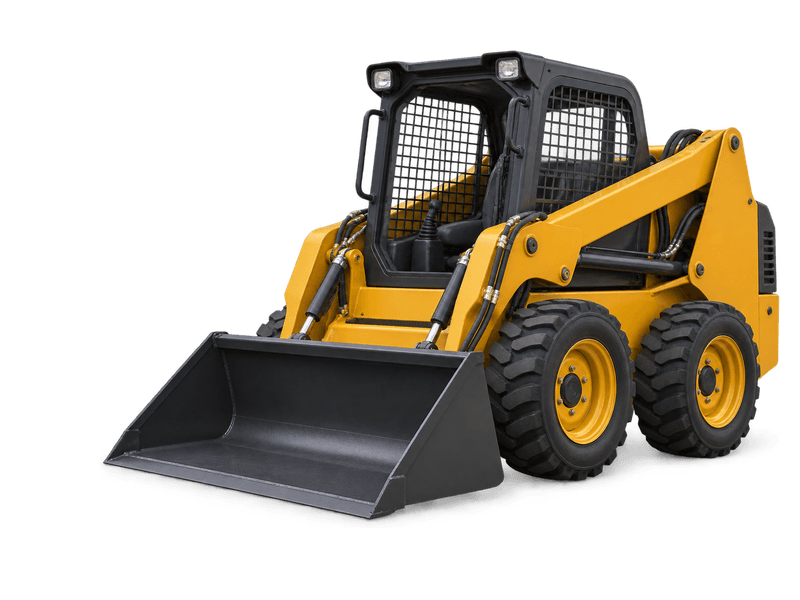
Machine: Bobcat with a bucket, with its operator
Typical time: Half a day to a day for a house plot
Rubble and dumped rubbish
Machine: Bobcat loading a tipper or a skip
Typical time: A few hours, set by the number of loads
Roots, stumps, a dead tree
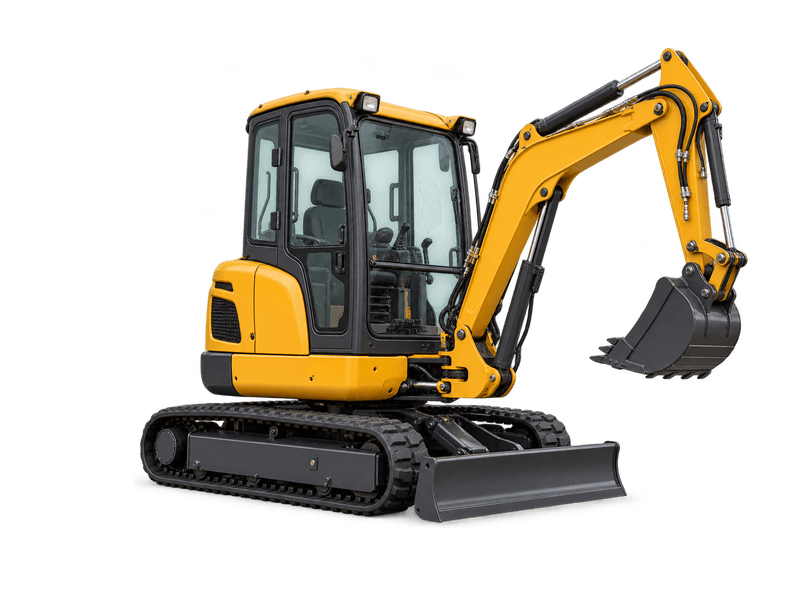
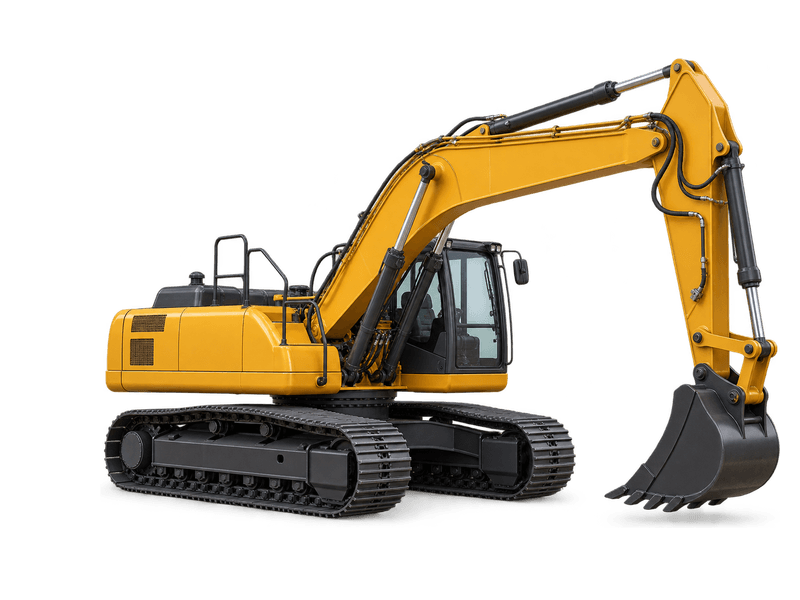
Machine: Mini digger of about 2 t; an excavator for big trees
Typical time: Half a day for a handful of stumps
Levelling
Machine: Bobcat; an excavator on a slope or a large plot
Typical time: About a day
A gravel base
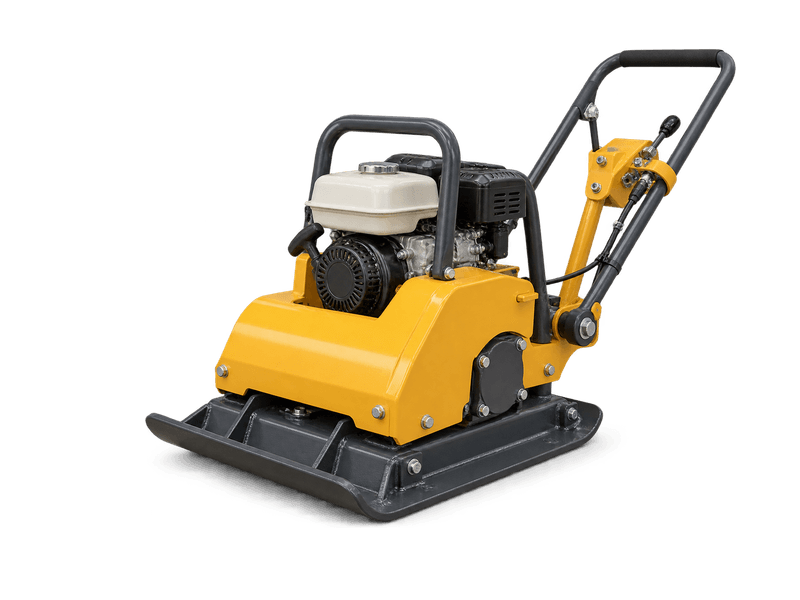
Machine: Bobcat to spread, then a plate compactor or a small roller
Typical time: A day for spreading and compacting
Rock outcrops in the way
Machine: Excavator with a breaker
Typical time: The operator prices it after seeing it
| Part of the job | Machine | Typical time |
|---|---|---|
| Weeds, dry grass, low bushes | Bobcat with a bucket, with its operator | Half a day to a day for a house plot |
| Rubble and dumped rubbish | Bobcat loading a tipper or a skip | A few hours, set by the number of loads |
| Roots, stumps, a dead tree | Mini digger of about 2 t; an excavator for big trees | Half a day for a handful of stumps |
| Levelling | Bobcat; an excavator on a slope or a large plot | About a day |
| A gravel base | Bobcat to spread, then a plate compactor or a small roller | A day for spreading and compacting |
| Rock outcrops in the way | Excavator with a breaker | The operator prices it after seeing it |
The Bobcat does most of a clearing. Its bucket scrapes the surface, pushes brush and rubble into heaps and lifts them into the truck; a tracked one stays on top of soft or sandy ground. Bobcats are also hired self-drive, and scraping weeds is a fair first job on the controls; levelling so the water runs off the right way is where the operator earns the day.
Roots and tree stumps
A stump left in the ground rots and the ground over it sinks, so under a building, a drive or paving it has to come out with the main roots. Fell the tree first (that is chainsaw work, not machine work) and leave about a metre of trunk: the digger uses it as a lever. The operator digs around the stump, cuts the side roots with the bucket, rocks it out, then backfills and compacts the hole. A 2 t mini digger handles garden trees through a side gate; a big pine or carob wants an excavator, and the ripper helps on the long roots.
A gravel yard or a level base
For gravel in a yard or a parking area, the order is: scrape off the weeds and the topsoil, level and compact the ground, lay a membrane if you want fewer weeds coming through, spread the gravel with the Bobcat, compact it with the plate. The gravel arrives by tipper. You can order it yourself from a supplier or ask the operator to bring it; the supplier works out the tonnage from the area. A base for a site cabin or a crane gets the same, with a thicker layer and a roller.
What comes on top: the loads
Most of a clearing leaves the plot. Green waste and rubble go in separate loads, so keep them in separate heaps from the start. The operator either brings the tipper and takes both, priced per load, or you arrange the truck or a skip yourself and the Bobcat only loads it. Say which in the request, so the quote shows whether the loads and the tip fees are inside or not. Clean soil from levelling can stay to fill the low corner.
The municipality's spring deadline
Municipalities publish a notice each spring telling owners to clear their plots. The Strovolos municipal notice of March 2025 asked owners to remove the vegetation and any rubbish by 7 April. After that date the municipality's crews cleared the plots that were left and charged the owners the cost: €70 for a standard building plot, more for larger land. The same notice says the owner is responsible even when the rubbish was dumped by someone else. Limassol Municipality has published the same kind of notice, with its own dates and charge. A June 2026 newspaper report on fire prevention named overgrown private plots as a worry and said communities were asking for stricter penalties for owners who leave them. Dates and charges differ by municipality and by year, so read your own municipality's notice.
- Self-drive, 1–2 t
- €150–220 a day, cheaper per day for a week
- Self-drive, 3–5 t
- €220–300 a day
- With operator
- €350–450 a day, or €50–70 an hour with a €150 minimum
- Breaker or auger
- €30–60 a day on top
- Self-drive
- €150–220 a day
- With operator
- €45–65 an hour, minimum 3 hours
- Sweeper, breaker or forks
- €20–60 a day on top
- Vibrating plate, 60–160 kg
- €25–45 a day; €90–150 a week
- Rammer
- €35–50 a day
- Small roller, 0.7–1.2 t
- €80–130 a day
What operators on the island usually quote (open listings and price lists, October 2026), VAT not included unless stated. Your operator confirms the exact price for your job before anything is agreed.